Monday, 2 September 1700. The curtains draw back, the players assemble; up above, the gallery is populated by whispering silhouettes, interested and disinterested by turn. A rush of activity announces the arrival of the supporting cast. Eight men enter with efficiency, are seated and bend their bewigged heads forward to inspect the ledgers placed on the desk in front of them. Outside, the sound of carriages and carts clacking along Dublin’s cobblestoned streets is intercut by the singsong patter of street hawkers’ selling their wares. Inside, a hush descends. The star attraction enters the room: Elizabeth Boutell, a small middle-aged woman in neat but expensive dress, ventures forward into the spotlight. But what is Boutell – a onetime star of the London stage – doing in an Irish courtroom?
Born Elizabeth Davenport in the early 1650s, Boutell was one of the first professional actresses in England, after Charles II ended the tradition of boys and young men playing ‘girl’ parts on the public stage.[1] She made her stage debut in 1663 and seven years later, in 1670, she joined the King’s Company – one of two theatrical outfits granted the right to mount productions in Restoration London. By then, she had married Barnaby Boutell, an officer in the English Army.
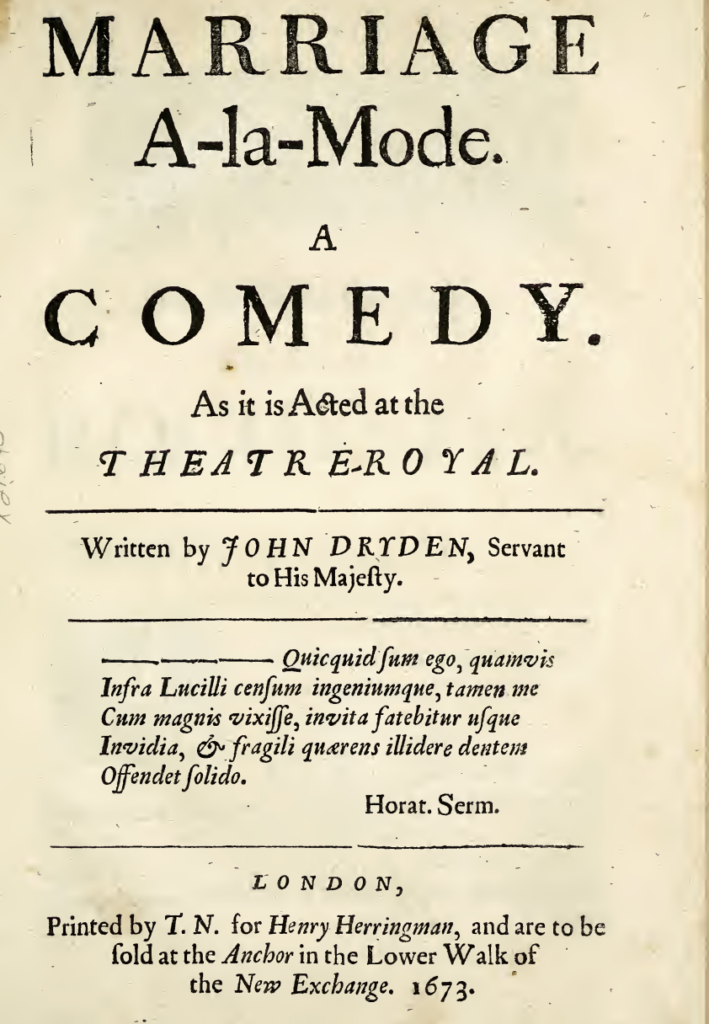
In the decade that followed, Boutell became a bonafide star, originating roles in a number of celebrated Restoration plays, including John Dryden’s The Conquest of Granada (alongside Nell Gwynn), Marriage à la Mode and All for Love. Her most famous role came in Nathaniel Lee’s The Rival Queens’, and she also starred as Margery Pinchwife in The Country Wife; an outrageously bawdy Restoration comedy by William Wycherley.[2]
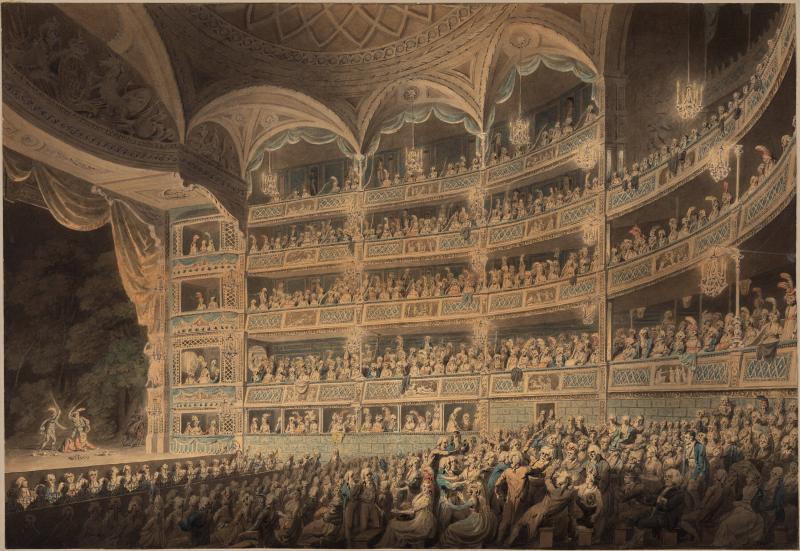
Boutell was best known for her ability to play virtuous heroines and for ‘breeches parts’, in which women donned male clothing. ‘Breeches parts’ were considered scandalous because the wearing of short trousers (breeches) exposed a woman’s legs, while the tight fit of male clothing revealed the outline of her body. The licentiousness of Restoration drama was often condemned by outraged moralists, who abhorred actresses as sexually available and promiscuous women and equated them with prostitutes. The line between sexual visibility/availability and sex work was often blurred in the Restoration period, and not only by puritanical observers.
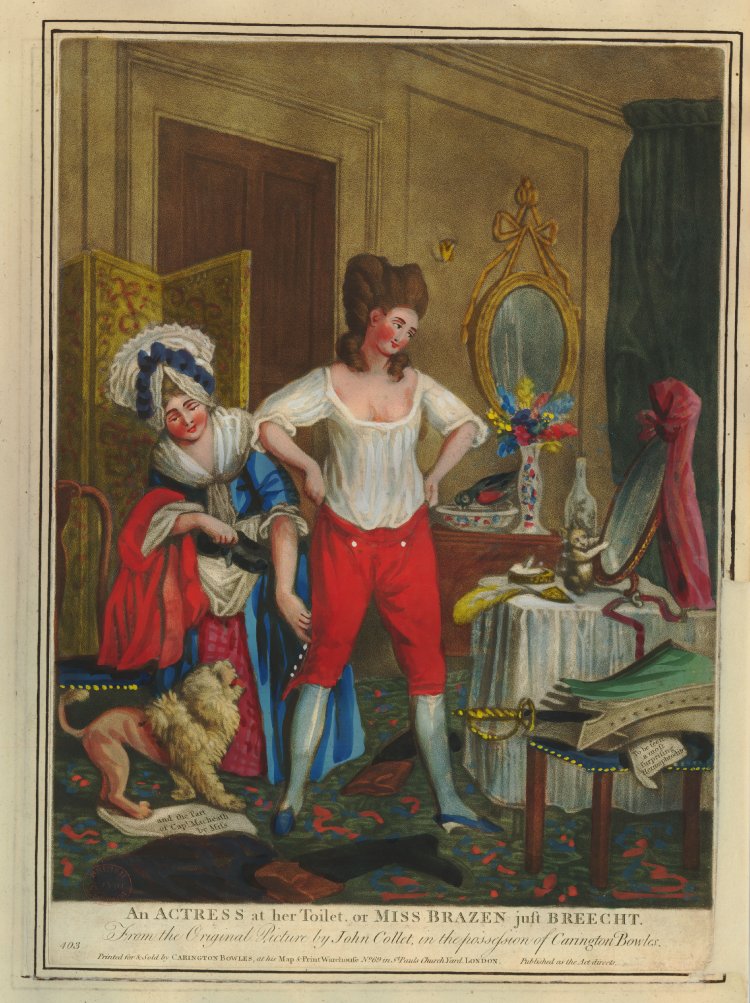
Actresses were also frequently depicted as ‘whores’ in Restoration lampoons, and Boutell – who was known for ‘exposing’ her body on stage – was a popular target. One satirist described her as ‘the chestnut-maned Boutell, whom all the Towne fucks.’[3] Another cast her as ‘that whore … poor Armstrong’s life betrayed/ And passed upon Maccarty for a maid.’[4] The ‘Maccarty’ who was allegedly duped into believing that Boutell was ‘a maid’ (meaning virtuous as opposed to virginal, given that the actress was married) was the Irish nobleman, Justin McCarthy.
While Boutell’s sexual activity was the subject of significant public scrutiny, however, actual documentary evidence of her life is scant, so it is not possible to arrive at the ‘truth’ of that or other matters. She disappeared from the stage between 1678 and 1688, and it is believed that she moved to the Continent, either to accommodate her husband’s military career or to take up residence in a French convent. She returned to the London stage in 1688, dividing her time between England and Holland in the 1690s, before retiring permanently in 1697.
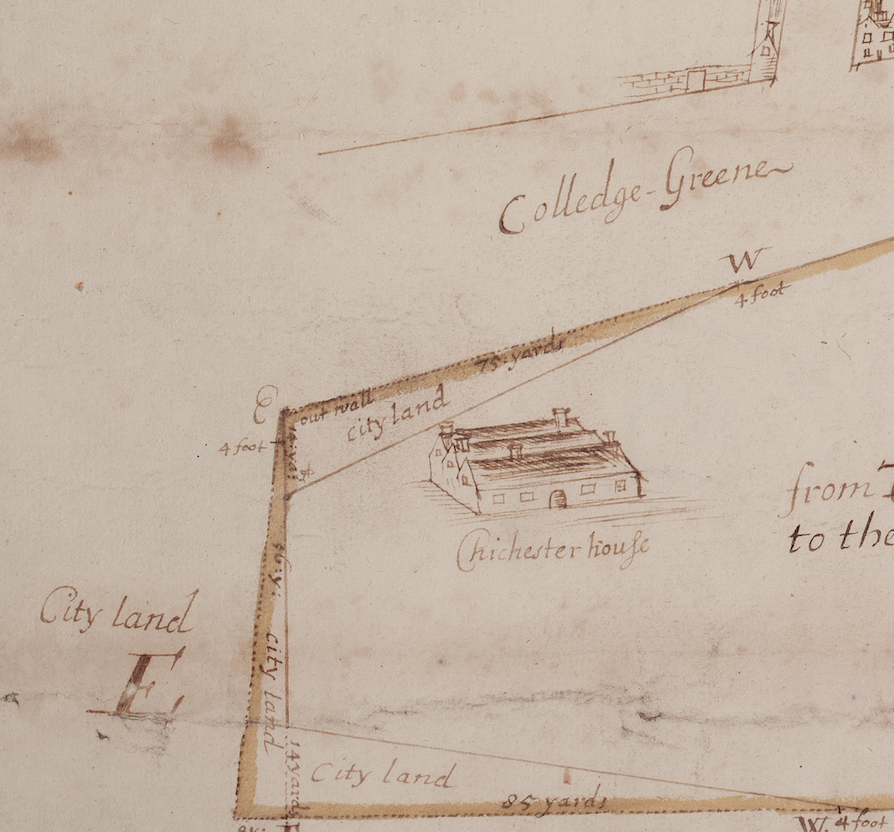
Boutell’s presence in a Dublin courtroom in 1700 had no apparent hint of ‘scandal’ about it; appearances, however, may have been deceptive. Approaching 50, she lived a materially comfortable life and appeared at the Court of Claims at Chichester House (the old Irish parliament building on College Green) to claim the benefit of a £200 mortgage on lands in County Cork.
The Court of Claims was presided over by the board of trustees for the Irish forfeitures, a statutory body appointed by the Act of Resumption – legislation passed by the English parliament in 1700, to nullify William III’s grants of Irish land to military generals and personal favourites. That land had been forfeited by the (largely Catholic) supporters of James II, following their defeat in the War of the Two Kings in 1691. Significantly, the Act of Resumption allowed anyone with a legitimate title to all or part of an estate that predated William and Queen Mary II’s accession to the throne in February 1689 to submit a claim. Along with her husband Barnaby, Elizabeth Boutell claimed as administrators to her father, Christopher Davenport, and her sister, Frances Chamberlain (née Davenport).[5]
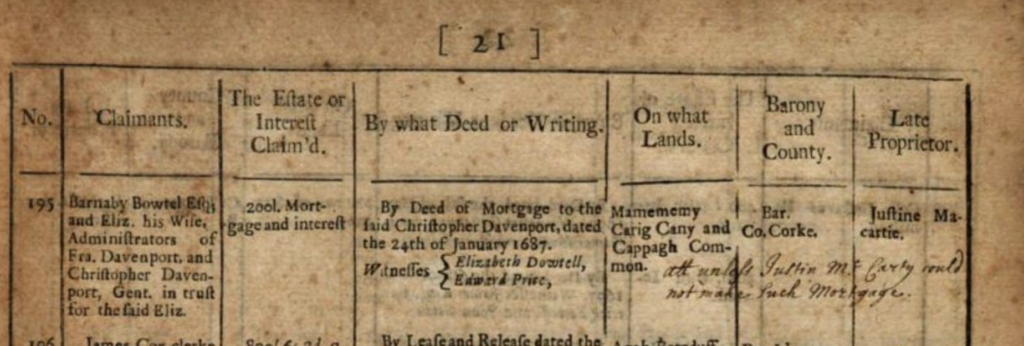
The couple submitted that Christopher Davenport purchased the lands of Monanimy, Cappagh, Commons and Carrigacunna in the Barony of Fermoy, County Cork, from Justin McCarthy – Elizabeth’s alleged paramour – in January 1688. Interestingly, this was the same year that the Irish nobleman was named as Boutell’s lover in a satirical verse. The third son of the first earl of Clancarthy, McCarthy was himself created Viscount Mountcashel in the Jacobite peerage in 1689, before being outlawed for his support of James II in the Irish war.
While in London in 1688, McCarthy agreed in a deed of mortgage to ‘grant bargain and sell’ the lands in Cork to Davenport – who was an attorney of New Inn (one of the Inns of Chancery) – subject to a condition of redemption on payment of £200 and an annual interest of 6 per cent.[6] Davenport and McCarthy’s signing of the deed was witnessed by Elizabeth, alongside one Edward Price. The mortgage was Elizabeth’s inheritance, but the common law legal doctrine of coverture meant that she was legally compelled to submit a claim with her husband, Barnaby.[7]
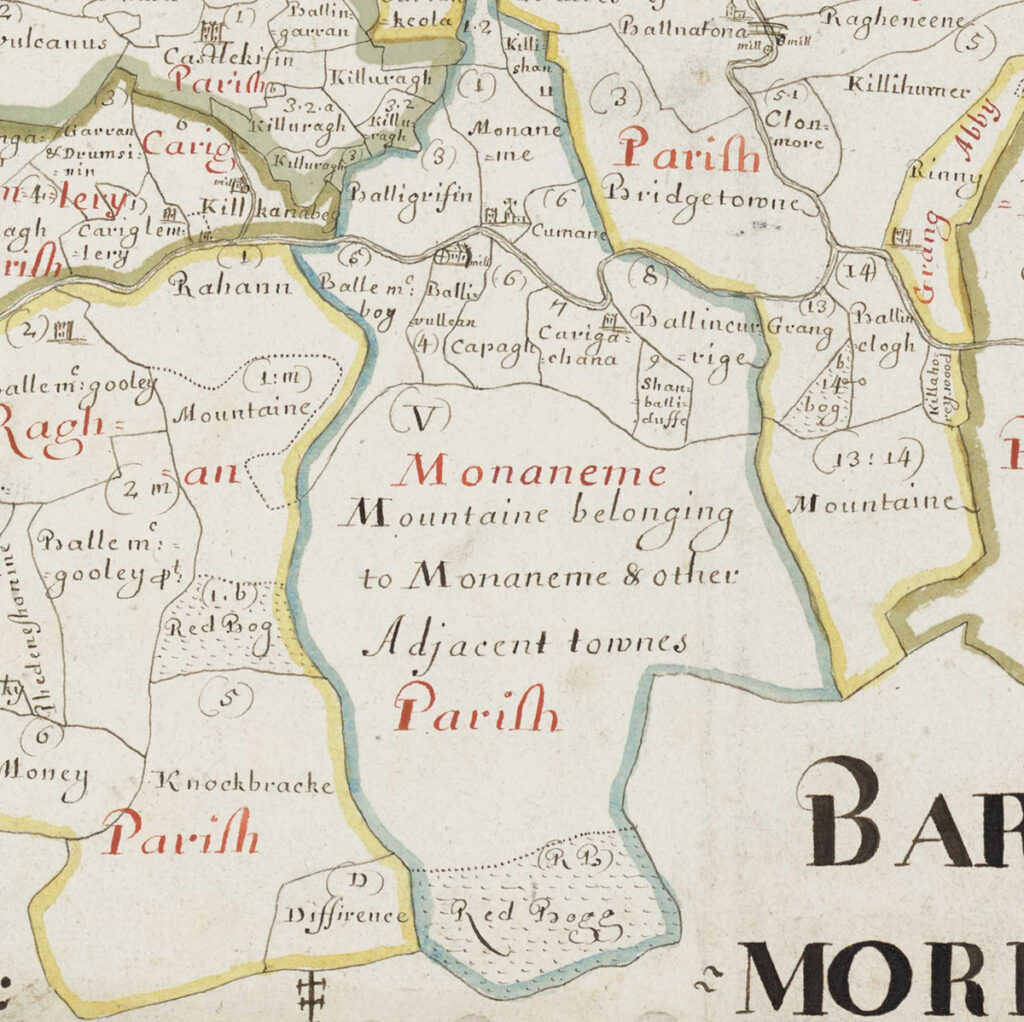
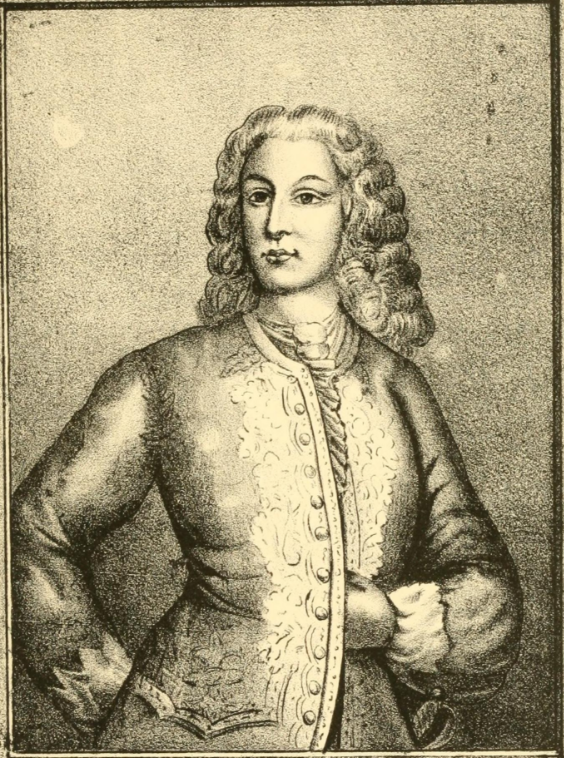
A complication arose for the Boutells, however, when evidence was put forward indicating that McCarthy only had a life interest in the lands and thus had no right to sell them. Elizabeth Boutell appeared in front of the trustees for the forfeited estates and swore that she had seen the mortgage money paid to Justin McCarthy and that she had not seen him make any payment for redemption.[8] The trustees sent a summons to the Sheriff of County Cork to depose witnesses in order to ascertain whether Justin McCarthy had the right to alienate the lands in Fermoy.[9]
Eventually, the court of claims found in favour of the Boutells. On 23 September, Boutell and her agent, Richard Darling, met with William Spry, the Master of References for the forfeiture trustees. Spry confirmed that the Boutells were owned £200 principal money and six years interest amounting to £150. He deducted £30, or two and a half years’ interest, however, to account for the war in Ireland between 1689 and 1691.[10]
Elizabeth Boutell left Ireland in triumph, and it appears that she closed out her days on the Continent, living in the Dutch Republic. She outlived her husband by around four years, dying in 1715 and leaving an estate worth £800, a not inconsiderable sum.[11] The complete story of her connection to Justin McCarthy may never be known, but they were connected – in verse and in deed.
[1] See Elizabeth Howe, The first English actresses: women and drama, 1660-1700 (Cambridge, 1992).
[2] See Kirsten Pullen, Actresses and whores: on stage and in society (Cambridge, 2005), pp 22-54.
[3] Quoted in Howe, first English actresses, p. 35.
[4] Quoted in Pullen, Actresses and whores, p. 44.
[5] See Claim No. 195 in A list of the claims as they are entred with the trustees at Chichester-House on College Green Dublin, on or before the tenth of August, 1700 (Dublin, 1701).
[6] PRONI, Annesley Mss (Papers of the Forfeiture Trustees), xvii, f. 6b.
[7] Indeed, in March 1698, Barnaby submitted a petition to the English parliament in his name alone, seeking a saving in a bill for vacating all grants of estates and other interests forfeited in Ireland. See House of Commons Journal Volume 12: 4 March 1698′, in Journal of the House of Commons: Volume 12, 1697-1699 (London, 1803), British History Online https://www.british-history.ac.uk/commons-jrnl/vol12/pp142-143 [accessed 4 August 2026].
[8] PRONI, Annesley Mss (Papers of the Forfeiture Trustees), viii, f. 180.
[9] PRONI, Annesley Mss (Papers of the Forfeiture Trustees), viii, f. 180.
[10] PRONI, Annesley Mss (Papers of the Forfeiture Trustees), xvii, f. 6b.
[11] Pullen, Actresses and whores, pp 45-6.
Leave a Reply